Discover the Rich Flavors of Mexican Food: A Trip Through Its Popular Cuisines
Mexican cuisine supplies a tapestry of flavors and traditions that reflect its rich social heritage. Each dish, from the precious tacos to the complex mole, carries its very own story and value. The diverse components and cooking strategies highlight regional variants and communal eating experiences. As one explores these preferred meals, the depth and selection of this culinary landscape come to be progressively noticeable, inviting inquisitiveness regarding what exists past the surface area of these iconic tastes.
Tacos: The Ultimate Mexican Street Food
Tacos, commonly concerned as the perfect Mexican road food, embody the abundant culinary customs of Mexico. These savory creations include a crispy or soft tortilla full of a range of active ingredients, showcasing a range of textures and tastes. From full-flavored meats like carnitas and al priest to vegan choices including beans, cheese, or grilled vegetables, tacos supply something for every taste buds.
The simpleness of the taco permits unlimited modification, frequently topped with fresh cilantro, onions, salsas, and lime. Road suppliers throughout Mexico skillfully prepare tacos, serving them fresh and hot to passionate clients. The public nature of taco intake promotes a sense of connection among diners, as they share varied fillings and toppings.
This beloved meal not only represents the culinary creativity of Mexico yet additionally serves as a symbol of cultural identity, reflecting the vibrant spirit of the country's food scene. lunch and dinner.
Enchiladas: Rolled Joys in a Flavorful Sauce
Enchiladas stand for a rich custom in Mexican cuisine, showcasing a range of components and regional adaptations. The prep work of these rolled tortillas, often filled with meats, cheeses, or vegetables, includes details food preparation strategies that boost their taste. Understanding the subtleties of both cutting-edge variants and traditional components can elevate the enchilada experience.
Standard Components and Variations
Among the ultimate dishes of Mexican food, enchiladas are commemorated for their flexibility and rich flavors. Traditionally, corn tortillas work as the base, typically filled with a range of ingredients such as shredded hen, beef, cheese, or beans. The dental fillings can be complemented by a range of sauces, varying from red chili to eco-friendly tomatillo, each contributing its special taste. Variations abound throughout regions, with some including local active ingredients like seafood in coastal locations or mole in Oaxaca. Toppings may consist of sour lotion, cheese, avocado, or lettuce, boosting both taste and presentation. This versatility permits enchiladas to reflect the diverse cooking heritage of Mexico, making them a precious choice for many.
Cooking Strategies and Tips
Grasping the art of preparing enchiladas includes understanding different cooking strategies that enhance their flavor and structure. Picking the appropriate tortilla is essential; corn tortillas are conventional and supply genuine preference. When rolled, they ought to be lightly heated to avoid splitting. The dental filling, commonly a combination of meats, cheese, or veggies, need to be experienced well to instill flavor. As soon as filled, enchiladas are rolled securely and positioned in a baking recipe. A tasty sauce, environment-friendly or normally red, need to be put kindly over them before baking. Baking allows the tastes to fuse and celebrity to thaw magnificently. Lastly, garnishing with fresh toppings like cilantro, onions, or sour cream adds a burst of quality, elevating the recipe to brand-new heights.
Mole: The Intricacy of Mexico's Trademark Sauce
Mole attracts attention as a quintessential aspect of Mexican cuisine, showcasing a rich tapestry of active ingredients and local variations. This complex sauce not only improves dishes yet also personifies deep cultural importance and practices that have been given with generations. Comprehending mole requires an appreciation of both its varied elements and its duty in events and day-to-day life.
Active ingredients and Variants
A characteristic of Mexican cuisine, mole showcases an abundant tapestry of components and local variations that mirror the country's varied culinary landscape. Usually, mole combines a selection of chiles, flavors, nuts, seeds, and delicious chocolate, creating an intricate flavor account. One of the most well-known variation, mole poblano, hails from Puebla and attributes components like ancho and pasilla chiles, almonds, and dark delicious chocolate. Other regional selections, such as mole negro from Oaxaca, highlight various spices and methods, causing unique preferences and appearances. Some moles might incorporate fruits, natural herbs, or even local specialties, better enhancing their originality. This flexibility allows mole to be a flexible enhancement for numerous meals, specifically meats, showcasing the deepness and splendor of Mexican culinary traditions.
Cultural Relevance and Practices
While frequently commemorated for its abundant tastes, mole additionally holds deep social significance in Mexican society, serving as a sign of heritage and custom. This facility sauce, with its mix of strategies and components, shows the historic blend of early american and indigenous influences. Traditionally, mole is prepared throughout considerable events, such as wedding events and religious holidays, showcasing its function in common gatherings and household connections. Each area flaunts unique variants, even more stressing regional pride and identity. The act of making mole can be viewed as a ritual, passed down through generations, enhancing domestic bonds and cultural continuity. Mole goes beyond simple nourishment; it embodies the spirit and strength of Mexican society, making it a treasured cooking work of art.
Tamales: A Tradition Wrapped in Corn Dough
Tamales represent a treasured tradition in Mexican food, personifying both cultural importance and culinary creativity. These delightful parcels are made from masa, a dough obtained from corn, which works as a canvas for a range of dental fillings, such as veggies, cheeses, or meats. mexican food. Wrapped in corn husks or banana leaves, tamales are steamed to excellence, permitting the tastes to fuse magnificently
Historically, tamales have been taken pleasure in for centuries, commonly prepared throughout joyful events and family celebrations. They signify community and togetherness, as the procedure of making tamales is frequently a common activity, with relative coming together to share dishes and techniques. Each area of Mexico flaunts its special variants, showcasing the diversity of ingredients and neighborhood customs. Whether offered with salsa or enjoyed by themselves, tamales continue to be a Get the facts precious dish that continues to connect generations, commemorating both heritage and the rich tapestry of Mexican cooking traditions.
Ceviche: Quality From the Sea
Ceviche, commemorated for its invigorating qualities and dynamic tastes, stands as a presentation of the bounty of the sea in Mexican cuisine. This meal commonly features fresh fish or seafood, seasoned in citrus juices, mainly lime, which effectively "chefs" the healthy protein while infusing it with a zesty brightness. Frequently integrated with components such as sliced onions, tomatoes, cilantro, and chili peppers, ceviche offers an unified mix of structures and tastes that record the essence of coastal living.
Regions throughout Mexico have their very own variants, showcasing regional seafood and distinct flavor mixes. In the Yucatán Peninsula, ceviche is frequently paired with avocado and experienced with a tip of orange juice for an exotic spin. Served chilled, this dish is not just a favored appetiser but likewise a revitalizing choice on cozy days, symbolizing the spirit of celebration and area found in Mexican culinary customs.
Chiles Rellenos: Stuffed Peppers With a Kick
Chiles Rellenos exhibit the diverse and vibrant tastes that characterize Mexican food, a lot like ceviche showcases the freshness of the sea. hand crafted margarita. These packed peppers are traditionally made with poblano or Anaheim peppers, which are carefully roasted to improve their flavor and fragrance. Once peeled, the peppers are full of a savory mixture, commonly consisting of cheese, meat, or beans, developing a delightful collection of preferences and textures
After being stuffed, the chiles are usually dipped in a light batter and fried till gold brownish, adding a rewarding crisis. They are commonly served with a rich tomato sauce or salsa, more boosting their taste profile. This dish is a preferred in many Mexican homes and restaurants, personifying the lively spirit of the food. Chiles Rellenos not just satisfy the taste yet likewise showcase the cooking creativity associated with developing traditional Mexican dishes that celebrate both warmth and flavor.
Guacamole: The Creamy Avocado Dip That Swipes the Show
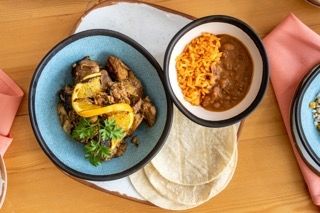
Its flexibility permits it to match different dishes, from tacos to barbequed meats, while likewise functioning as a dip for tortilla chips. The prep work can vary from a straightforward mash to a more elaborate version with added active ingredients like garlic or pomegranate seeds.
Guacamole is frequently connected with celebrations, enhancing the experience of sharing food. Its popularity has led to many variations, yet the traditional recipe remains a cherished home cooking. Eventually, guacamole exemplifies the heart of Mexican culinary practices, captivating tastes with each creamy bite.
Often Asked Questions
What Are the Main Contents in Conventional Mexican Cuisine?
Typical Mexican food largely features click now corn, beans, chilies, tomatoes, and numerous natural herbs and seasonings. In addition, active ingredients like avocados, lime, and meats such as poultry and pork add to the varied flavors and appearances.
Just How Has Mexican Cuisine Influenced Various Other Culinary Traditions?
Mexican cuisine has actually substantially influenced global cooking practices through its lively use ingredients, flavors, and methods. Elements like corn, chili, and beans have integrated right into various dishes worldwide, enriching flavors and motivating fusion cuisines.
Are There Vegetarian Options in Mexican Cuisine?
Yes, Mexican cuisine uses numerous vegetarian alternatives, including meals like chiles rellenos, enfrijoladas, and various tacos loaded with beans or vegetables. These options showcase the lively tastes and ingredients available in traditional Mexican cooking.
What Regions of Mexico Have Distinct Culinary Styles?
Distinctive culinary styles in Mexico emerge from various regions, consisting of Oaxaca understood for its mole, Yucatán with its citrus flavors, Puebla famed for chiles en nogada, and Baja The golden state highlighting fresh fish and shellfish and ingenious meals.
How Do Typical Mexican Cooking Approaches Vary From Modern Techniques?
Traditional Mexican cooking techniques stress slow-moving, common preparation, using clay pots and over at this website open flame, while modern-day techniques frequently integrate innovative tools and faster cooking times, reflecting a mix of heritage and modern cooking techniques.
